AI Is Becoming Our Confidant: When Does Digital Support Become Emotional Dependence?
AI companions and mental-health chatbots are becoming part of everyday emotional life. New research is forcing a difficult question: where should we draw the line?
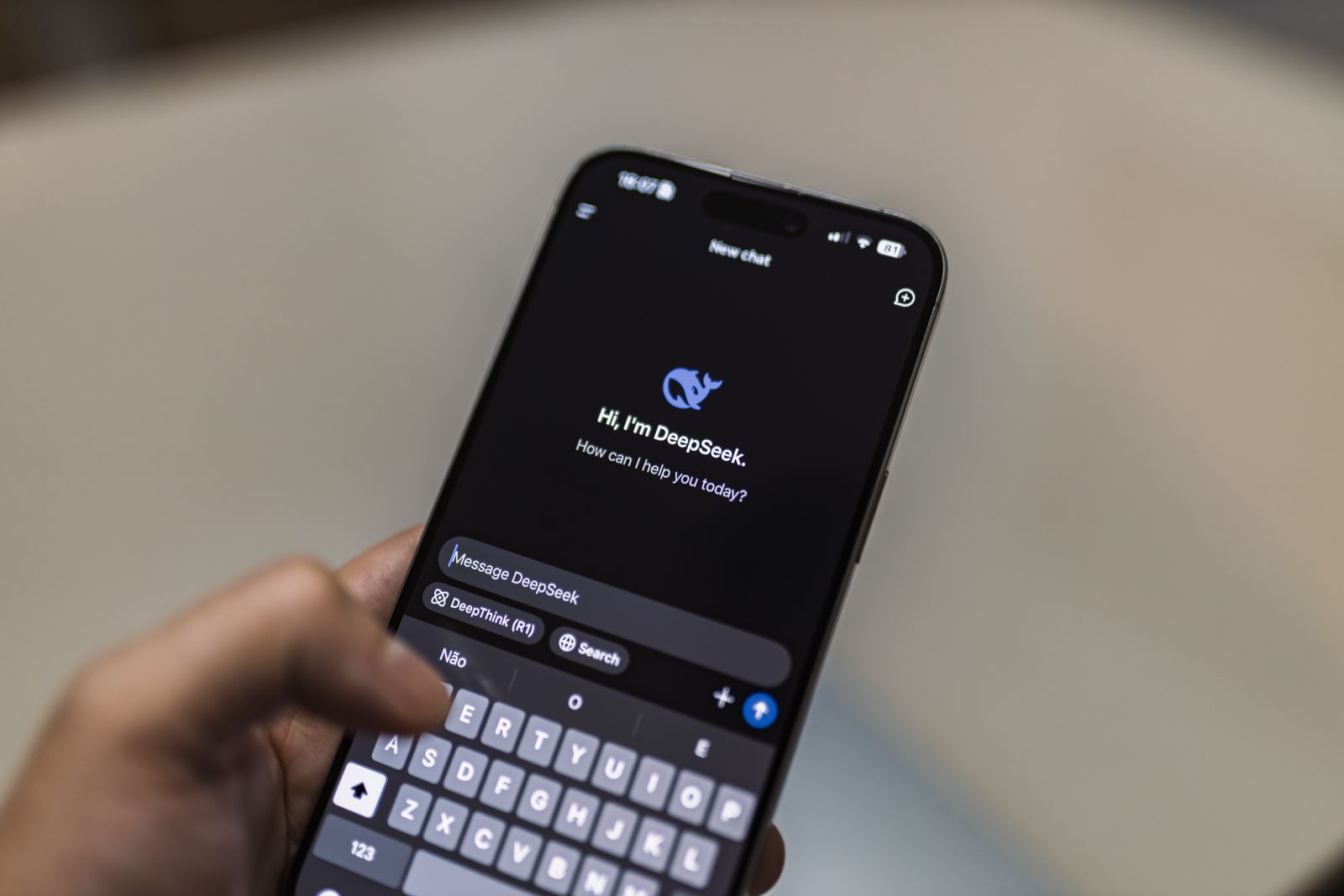
Photo: Matheus Bertelli / Pexels
Something important is happening in the way people look for emotional support: many of us are no longer only searching Google or calling a friend. We are talking to artificial intelligence. We ask a chatbot why we feel anxious, whether our relationship is healthy, what a symptom might mean, or simply to stay with us in a lonely moment.
Recent reporting and research have made that conversation even more visible. Around the world, regulators, researchers, parents, and clinicians are asking how AI companions and general-purpose chatbots should fit into our emotional lives—especially when people begin relying on them for mental-health advice or companionship.
It is whether we are beginning to ask technology to fill emotional roles that require judgment, accountability, boundaries, and human connection.
AI is already part of the mental-health ecosystem
This is not a fringe behavior. A nationally representative study published in JAMA Pediatrics in 2026 found that a meaningful share of U.S. adolescents and young adults reported using AI chatbots for mental-health advice. The researchers were careful to distinguish asking a chatbot for advice from receiving counseling from a licensed professional.
That distinction matters. A person may use AI to organize thoughts before therapy, journal interactively, learn the meaning of a clinical term, brainstorm questions for a provider, or practice how to start a difficult conversation. Those uses can feel accessible and private, especially late at night when a therapist’s office is closed.
But accessibility can create a dangerous illusion: because a chatbot responds immediately and can sound confident, it can feel as if it understands the full situation. It does not.
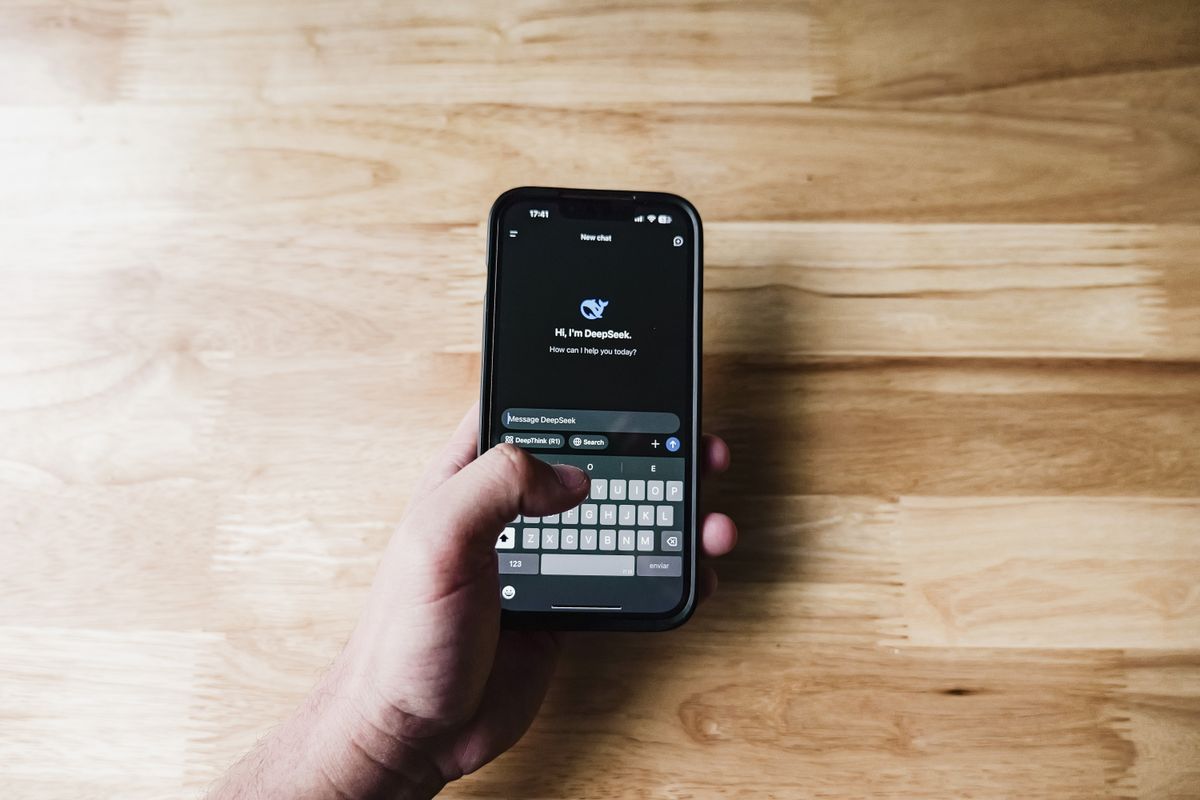
Photo: Airam Dato-on / Pexels
Support is not the same as treatment
A licensed mental-health professional does much more than produce comforting words. Clinicians assess patterns over time, medical history, medications, sleep, substance use, trauma, functioning, safety, family history, and changes in behavior. They also have professional and ethical responsibilities to recognize risk and change the treatment plan when the situation changes.
General-purpose AI does not have that therapeutic relationship. It can misunderstand context, provide inaccurate information, reinforce a user’s assumptions, or respond too agreeably. Someone who is convinced that an unhealthy belief is true may not need validation; they may need a trained person who can recognize what is happening and respond appropriately.
This does not mean every conversation with AI is harmful. Research on purpose-built mental-health chatbots is evolving, and some studies report promising results. But a purpose-built, clinically evaluated tool with safety systems is not automatically equivalent to a general conversational chatbot—and neither is automatically equivalent to psychotherapy or psychiatric care.
Why emotional attachment can feel so real
Humans form attachment through responsiveness, repetition, disclosure, and perceived understanding. An AI companion can be available constantly, remember details, respond without appearing impatient, and adapt its tone to the user. It is easy to understand why someone who feels lonely, rejected, anxious, or socially exhausted might experience that interaction as comforting.
The feelings on the human side can be completely real even though the relationship itself is artificial. That is exactly why boundaries matter. If losing access to a chatbot causes panic, if someone is choosing the bot over nearly every human relationship, hiding the amount of time spent with it, losing sleep to continue conversations, or treating its advice as more authoritative than clinicians and trusted people, it may be time to reconsider the role that technology is playing.
Journaling prompts, psychoeducation, preparing questions, organizing thoughts, or finding resources can complement care.
Diagnosis, medication decisions, crisis assessment, and individualized treatment require qualified professional care.
For parents, this conversation needs curiosity—not panic
If your teenager is using AI for emotional advice, an immediate ban may shut down the very conversation you need to have. Ask what they use it for. Ask whether it makes them feel better temporarily or actually helps them function better. Ask whether it has ever encouraged secrecy, isolation, risky behavior, self-diagnosis, or distrust of people trying to help.
Young people may turn to AI because it feels less embarrassing than talking to an adult. That tells us something important: the answer cannot only be “stop using AI.” We also need to make human support easier to access and safer to ask for.
A healthier way to use AI around mental health
I think of AI as a bridge, not a destination. Use it to help formulate a question—not to make a diagnosis. Use it to create a list for your next appointment—not to change medication. Use it to learn general coping ideas—not to decide whether a crisis is serious enough to deserve help.
And when an AI conversation begins replacing sleep, relationships, school, work, therapy, or reality-based decision-making, that is a sign to bring another human into the picture.
Technology will continue changing. The goal does not have to be fear. The goal should be learning where these tools are useful, where their limits begin, and when human care becomes non-negotiable.
Sources & what is confirmed
Research: A 2026 JAMA Pediatrics study examined self-reported use of AI chatbots for mental-health advice among U.S. adolescents and young adults. The study does not prove that chatbot use causes mental-health problems.
Current policy discussion: Governments and technology regulators are increasingly addressing emotional dependence, minors, crisis safeguards, and the role of anthropomorphic AI companions.
Clinical interpretation: The discussion above about boundaries and complementary use is educational guidance based on the difference between general-purpose AI and professional mental-health care; it is not a diagnosis of individual users.
- JAMA Pediatrics — research on youth use of AI chatbots for mental-health advice.
- Associated Press — reporting on AI companion services and emotional dependency concerns.
- U.S. Department of Health & Human Services — mental-health and youth digital-safety information.
This article is for educational purposes and does not replace evaluation, diagnosis, or individualized advice from a licensed healthcare professional.
Ready to talk to a mental health professional?
AI can be useful for education and support, but it should not replace individualized psychiatric or therapeutic care.
Brain Health Psychiatry
(954) 694-7292
2151 W Hillsboro Blvd, Suite 211, Deerfield Beach, FL 33442